

TL;DR: A whole house surge protector costs about $200 to $800 installed, based on HomeGuide’s 2026 national pricing. Since the 2020 National Electrical Code, every new or replaced home electrical service in Sarasota County needs one. On Siesta Key, pick a unit in a corrosion resistant enclosure, because salt air wears down standard hardware fast. Call (941) 799-2279 for a free estimate.
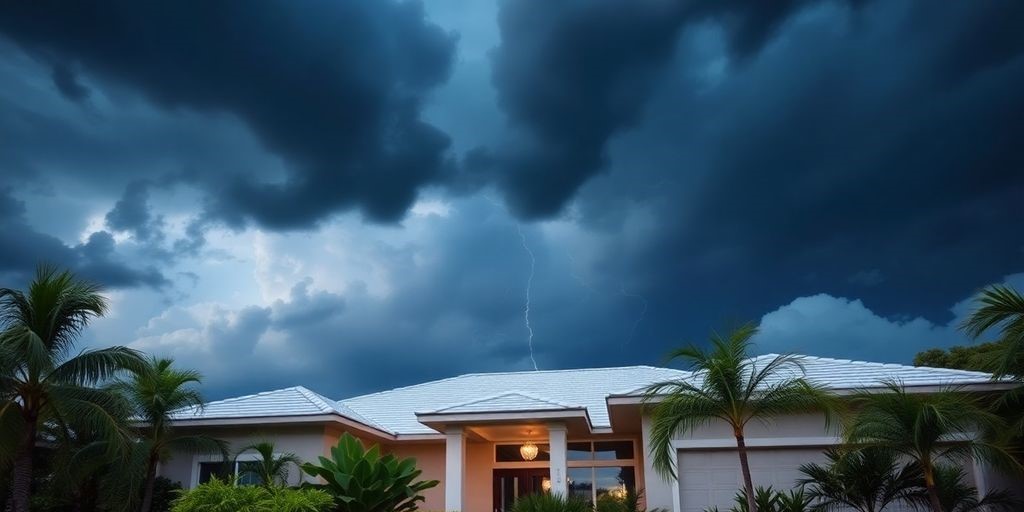
Whole house surge protector cost is one of the smallest line items in owning a coastal home. It is also one of the most important. Florida leads the country in lightning damage claims, and Siesta Key sits right in the middle of that storm belt.
In 2025, Florida homeowners filed 5,136 lightning claims worth $186 million, according to Insurance Information Institute data reported by ABC7 Sarasota. That works out to roughly $36,000 per claim. A surge protector at the panel costs a tiny fraction of that.
This guide covers what you will pay, what the code requires, and why barrier island homes need a little more than the standard install.
How Much Does a Whole House Surge Protector Cost in 2026?
A whole house surge protector costs $200 to $800 with installation, according to HomeGuide’s 2026 cost guide. A Type 2 unit at the panel runs $200 to $450 installed. A Type 1 unit at the meter or service runs $250 to $800. Labor alone is usually $140 to $300.
Here is how those national figures break down:
| Item | Typical Cost |
|---|---|
| Type 1 surge protector, installed | $250 to $800 |
| Type 2 surge protector, installed | $200 to $450 |
| Type 3 point of use device (unit only) | $10 to $60 |
| Installation labor | $140 to $300 |
| Electrician hourly rate | $50 to $130 |
| Grounding system repair or upgrade | $100 to $700 |
A few things push the price up on Siesta Key. A corrosion resistant outdoor enclosure costs more than a basic plastic housing. Homes with a subpanel for a pool, dock, or guest suite may need a second device. A weak or corroded grounding system has to be fixed first, since a surge protector is only as good as its path to ground.
If you are already planning a panel replacement, add the surge protector to the same job. It saves a second service call, and the code requires it anyway. Our panel upgrade cost guide covers that bigger project in detail.
Is a Whole House Surge Protector Required by Code in Sarasota County?
Yes, for new or replaced services. NEC 230.67 says all services supplying dwelling units must have a Type 1 or Type 2 surge protective device. When service equipment is replaced, the same rule applies. Sarasota County enforces the 2020 NEC.
The Sarasota County Building Division works under the 2023 Florida Building Code, 8th Edition, which adopts the 2020 NEC. That edition is where the surge protection rule for homes first appeared.
In plain terms, here is when the rule applies to you:
- New construction: a surge protector is part of the service from day one.
- Panel or service replacement: the new equipment must include one.
- Existing homes with no changes: the code does not force a retrofit, but the protection is still worth adding.
The code requires the device to be part of the service equipment or right next to it. That is why this is a licensed electrician’s job, not a plug in purchase.
Type 1 vs Type 2 Surge Protectors: Which Does Your Home Need?
Most Siesta Key homes do best with a Type 2 surge protector at the main panel, backed by Type 3 devices at sensitive electronics. A Type 1 unit installs on the line side of the main breaker, often at the meter, and adds protection for homes with heavy lightning exposure.
| Type | Where It Installs | Best For |
|---|---|---|
| Type 1 | Line side of the main breaker or at the meter | Lightning heavy areas and homes with exposed service drops |
| Type 2 | Load side of the main breaker, in or beside the panel | Whole home protection for most houses |
| Type 3 | At the outlet or device | TVs, computers, routers, and smart home hubs |
Layering works best. The panel device knocks down the big surge. The point of use device catches what is left near your most expensive gear.
HomeGuide recommends a rating of at least 30kA for lightning protection. On a barrier island, we lean toward the higher end of that range.
Why Do Siesta Key Homes Face Higher Surge Risk?
Siesta Key homes face more lightning, more storm related grid switching, and more expensive electronics than the average house. Florida has the highest lightning casualty rate in the country, according to the National Weather Service as reported by WUFT, and the same storms drive damaging surges.
Surges come from four main places:
- Lightning: a strike on or near a power line can send thousands of volts into your wiring.
- Utility switching: after a storm, crews restore power in stages, and each switch can spike the voltage.
- Appliance cycling: AC compressors, pool pumps, and refrigerators create small surges every time they start.
- Faulty or corroded wiring: loose connections cause arcing and voltage swings inside the home.
Small internal surges rarely make headlines. But they chip away at circuit boards year after year. That is why a TV or a smart thermostat sometimes dies early for no clear reason.
How Salt Air Changes the Surge Protector Install
Salt air is the part most surge protector guides skip. On Siesta Key, it matters as much as the device rating.
Salt particles settle on metal and pull moisture out of the air. That film slowly eats away at terminals, lugs, and ground connections. We cover the full process in our guide to how salt air affects electrical systems.
For a surge protector, corrosion causes two problems. First, a corroded ground connection raises resistance, so the surge has a harder time reaching ground. Second, an outdoor Type 1 unit in a basic housing can rust out long before its electronics wear down.
That is why we follow the Siesta Key Standard on every coastal install:
- Outdoor units go in NEMA 4X rated enclosures, which add corrosion protection on top of water protection.
- Ground rods, clamps, and bonding connections get checked and replaced if they show corrosion.
- Terminals get antioxidant compound and sealed entries to keep salt and moisture out.
These are the same methods we use in our marine grade electrical installation work across the barrier islands.
What Does a Whole House Surge Protector Protect?
A panel mounted surge protector covers every circuit fed by that panel. That includes the equipment people forget about until it fails.
- HVAC systems: modern variable speed systems rely on control boards that are very sensitive to voltage spikes.
- Kitchen appliances: refrigerators, ranges, and dishwashers all have electronic controls.
- Pool and spa equipment: variable speed pumps and heaters are costly to replace.
- Safety devices: AFCI and GFCI breakers, plus smoke and CO alarms, all contain electronics.
- EV chargers and smart panels: both are high value electronics wired straight to the panel.
If you are adding newer tech, plan the surge protector at the same time. Our guide to smart home electrical panels explains why those systems are extra sensitive in a coastal home.
When Should You Replace a Whole House Surge Protector?
Replace a whole house surge protector when its status light goes out or changes color, after a nearby lightning strike, or when an inspection shows corrosion or damage. Each surge wears down the internal parts a little, so a unit that took a big hit may no longer protect your home.
Most units have an indicator light that shows protection is active. Check it after every major storm. If the light is off, the device has likely done its job and given out.
On the coast, also look at the enclosure itself. Rust stains, a cracked cover, or swelling are signs it needs attention. A residential electrical safety inspection includes a check of your surge protection and grounding.
Why Professional Installation Matters
A whole house surge protector ties into your main panel and grounding system. Getting it right takes more than snapping in a breaker.
- Short leads: long wires between the device and the bus reduce how well it clamps a surge.
- Proper grounding: the device needs a solid, low resistance path to ground.
- Permits and code: work at the service must meet NEC 230.67 and Sarasota County rules.
- Warranty: many makers require licensed installation for their equipment warranty to apply.
Our licensed, insured, and background checked technicians handle the whole process, from load and grounding checks to final testing.
Protect Your Siesta Key Home Before the Next Storm
A whole house surge protector costs a few hundred dollars. One lightning claim in Florida averages around $36,000. On a barrier island, the right install also means a corrosion resistant enclosure and a clean, solid ground.
Hurricane season runs through November, and fall storms still bring plenty of lightning. Pair surge protection with the rest of our hurricane season electrical checklist so your home is ready.
Call Siesta Key Electric at (941) 799-2279 or request a free estimate. We are family owned, licensed, and insured, and we build every install to the Siesta Key Standard.
Related Reading
A surge protector works alongside your panel’s breakers, not in place of them. Our breakers vs fuses guide explains how your panel protects your home day to day. It is also worth checking whether your smoke detectors are due for replacement, since surge damage and aging safety devices often get addressed in the same visit.
Frequently Asked Questions
How much does a whole house surge protector cost?
Most homeowners pay $200 to $800 installed, based on HomeGuide’s 2026 national data. A Type 2 panel unit is usually $200 to $450, and a Type 1 unit is $250 to $800. Coastal homes may pay more for a corrosion resistant enclosure or grounding repairs.
Is a whole house surge protector required in Florida?
For new or replaced services, yes. NEC 230.67 requires a Type 1 or Type 2 surge protective device on all dwelling unit services, and Sarasota County enforces the 2020 NEC under the 2023 Florida Building Code. Existing homes with no service changes do not have to retrofit one.
Does a whole house surge protector stop a direct lightning strike?
No device can fully stop a direct strike. A surge protector greatly reduces damage from nearby strikes and grid surges, which are far more common. Layering a panel unit with point of use devices gives the best protection.
How long does a whole house surge protector last?
It depends on how many surges it absorbs. Each surge wears down the internal parts, so check the status light after every major storm. On the coast, also check the enclosure for rust or damage.
Do I still need power strips with a whole house surge protector?
Yes, for your most sensitive electronics. The panel unit handles large surges, while point of use protectors catch smaller leftover spikes near TVs, computers, and network gear. Together they give layered protection.
Need a licensed electrician on Siesta Key? Siesta Key Electric handles home electrical work and commercial electrical service across Sarasota County. Call (941) 799-2279 for a free estimate.