
TL;DR: A weatherproof outdoor outlet pairs a weather resistant receptacle with a cover that stays sealed while something is plugged in, plus GFCI protection. On Siesta Key, salt air and summer storms wear out ordinary outdoor outlets fast, which leads to tripping, corrosion, and shock risk. Check your outdoor outlets before holiday lights go up, and call (941) 799-2279 for a free estimate on upgrades.
A weatherproof outdoor outlet is one of the smallest parts of your home’s electrical system, and on Siesta Key it takes some of the hardest abuse. It sits outside every day in salt air, sun, and sideways summer rain.
Most homeowners only notice an outdoor outlet when it stops working. The GFCI won’t reset, the cover has cracked, or a plug comes out with green crust on the prongs.
Late fall is when those problems show up. Holiday lights, inflatables, and patio heaters all head outside at once. The Consumer Product Safety Commission advises plugging outdoor lights only into GFCI protected outlets.
This guide explains what makes an outdoor outlet truly weatherproof, what the electrical code requires, and why coastal homes need a higher standard than mainland ones.
What Is a Weatherproof Outdoor Outlet?
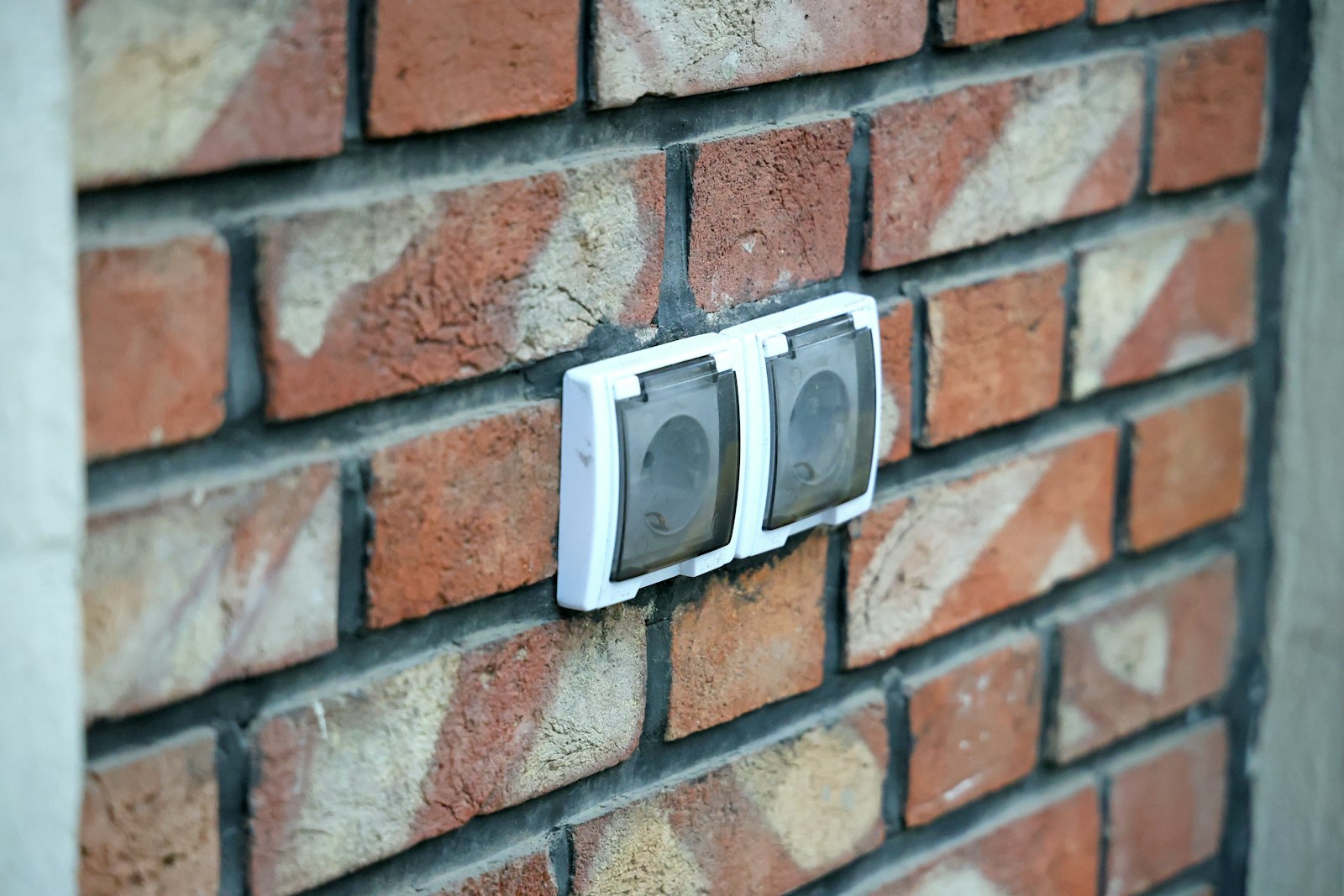
A weatherproof outdoor outlet is a weather resistant receptacle inside a cover that keeps water out even with a cord plugged in. It also needs GFCI protection. Together, those three parts protect the outlet from rain and protect people from shock in wet conditions.
Many homes still have the old flat flip covers. Those only seal when nothing is plugged in. Leave an extension cord connected for a week, and rain and salt spray get straight to the contacts.
Today’s code calls for a different design. For standard 15 and 20 amp outlets in wet locations, the cover must stay weatherproof whether or not a plug is inserted. Most homeowners know these as bubble or in use covers.
Why Salt Air Is Hard on Outdoor Outlets
Salt air does its worst work close to the water. Research on coastal corrosion shows that marine air causes the most damage within a few hundred meters of the shoreline, with the effect dropping off quickly inland. On a barrier island, nearly every home sits in that zone.
Salt settles on metal contacts and pulls moisture from the humid air. Over time, that film corrodes the brass contacts and screw terminals inside the outlet. A corroded connection gets loose, runs hot, and can trip the GFCI for no clear reason.
Covers suffer too. Strong sun turns cheap plastic brittle, and gaskets shrink and crack. Once the seal fails, the outlet box can collect water every time it rains.
We cover the bigger picture in our guide to how salt air affects electrical systems. Outdoor outlets are usually where that damage shows up first.
What Does the Electrical Code Require for Outdoor Outlets?
The National Electrical Code requires GFCI protection for outdoor outlets at homes, weather resistant receptacles, and covers that stay sealed with a plug in. Most homes also need at least one outdoor outlet at the front and one at the back, within reach from the ground.
Florida’s current building code adopts the 2020 National Electrical Code. Here are the outdoor outlet rules that matter most:
- GFCI protection: Outdoor receptacles at dwellings must have GFCI protection, and the GFCI device must be easy to reach for testing and resetting.
- Weather resistant receptacles: Outlets in damp and wet locations must be listed weather resistant types, marked WR on the face.
- Extra duty covers: Bubble style hoods on 15 and 20 amp outlets in wet locations must be listed and identified as extra duty.
- Front and back outlets: One family homes need outdoor outlets at the front and back that are reachable from grade and no higher than 6½ feet. Decks and balconies have their own height rule.
Older homes often fall short on one or more of these. That doesn’t always mean a code violation, but it does mean the outlet offers less protection than a current one.
Why Does My Outdoor GFCI Keep Tripping?
An outdoor GFCI usually trips because moisture has reached the outlet, a plugged in device is leaking current, or corrosion has damaged the outlet itself. On the coast, water in a failed cover and salt buildup on the contacts are the most common causes.
Start with what’s plugged in. Unplug everything, reset the GFCI, and add devices back one at a time. Old string lights and damaged extension cords are frequent culprits.
If it still trips with nothing plugged in, look at the cover and the box. Standing water, rust stains, or a cracked hood point to a sealing problem. A GFCI that won’t reset at all may simply be worn out.
Our article on GFCI outlets that keep tripping walks through more causes and fixes. Never bypass a GFCI to stop the tripping, since that protection is what keeps a wet outlet from becoming a shock hazard.
The Siesta Key Standard for Outdoor Outlets
Meeting code is the starting line on a barrier island, not the finish. When we install or replace outdoor outlets, we follow the Siesta Key Standard built for salt air conditions.
That means listed WR receptacles, extra duty in use covers with sound gaskets, and corrosion resistant boxes, screws, and fittings. We seal the openings where wiring enters the box so water can’t wick inside. Where it makes sense, we place outlets on the sheltered side of a wall or under an overhang, away from direct spray.
We also look at how you actually use the space. A lanai with a ceiling fan, a pool deck, a dock, or a kitchen garden each needs outlets in the right spot, on the right circuit. Our residential electrical services cover the full outdoor plan, not just a single box.
If you are new to GFCIs, our guide on what a GFCI outlet does explains how it works and how to test one.
Prepare Your Outdoor Outlets for Holiday Lights and Storm Season
Late October is a smart time to check every outdoor outlet. The busiest part of the Atlantic hurricane season runs August through October, and the season officially lasts until November 30. Months of storms may have left water and salt inside your covers.
At the same time, holiday decorating is about to put more load on those outlets than any other time of year. CPSC estimates about 14,700 emergency room injuries during one holiday season tied to decorating.
A quick homeowner check before you decorate:
- Press the TEST button on each outdoor GFCI, then RESET it.
- Look for cracked covers, missing gaskets, or a cover that won’t close over a plug.
- Check for rust, green buildup, or scorch marks around the slots.
- Use only lights and cords rated for outdoor use.
- Don’t run several high draw items, like heaters and inflatables, on one outdoor outlet.
Planning a bigger display? Our ideas for lighting your home for Christmas pair well with a dedicated outdoor circuit.
Keep Your Outdoor Outlets Safe on Siesta Key
Three things to remember. Outdoor outlets need GFCI protection, a weather resistant receptacle, and a cover that seals with a plug in. Salt air wears them out faster on the islands than on the mainland. And late fall, right before the holidays, is the best time to fix them.
Siesta Key Electric is a family owned, licensed, and insured electrician serving Siesta Key, Bird Key, St. Armands, and Sarasota County. Call (941) 799-2279 or request a free estimate to upgrade your outdoor outlets.
Hurricane season runs through November 30. A sealed, GFCI protected outlet is a small upgrade that keeps your home safer through the next storm.
Frequently Asked Questions
What is the difference between a weatherproof and a weather resistant outlet?
Weather resistant describes the receptacle itself, marked WR on its face. Weatherproof describes the full setup, including the cover. A code compliant wet location outlet needs both: a WR receptacle inside a cover that stays sealed with a plug inserted.
Do outdoor outlets need GFCI protection in Florida?
Yes. Florida’s building code adopts the 2020 National Electrical Code, which requires GFCI protection for outdoor receptacles at homes. The protection can come from a GFCI outlet, a GFCI breaker, or an upstream GFCI device.
Can I replace an outdoor outlet cover myself?
Swapping a cover is a simple job, but turn off the circuit first and choose a cover listed as extra duty for wet locations. If the receptacle is corroded, the GFCI won’t reset, or water has collected in the box, call a licensed electrician instead.
How long do outdoor outlets last near the beach?
It depends on exposure, the quality of the parts, and how well the cover seals. Outlets facing the Gulf or a pool deck tend to fail sooner than sheltered ones. Testing GFCIs monthly and checking covers each fall helps you catch problems early.
How much does it cost to add or upgrade an outdoor outlet?
Replacing an existing outdoor outlet and cover is usually a small job. Adding a new outlet that needs a new circuit or a long wire run costs more. Siesta Key Electric provides free estimates so you know the price before any work starts.
Need a licensed electrician on Siesta Key? Siesta Key Electric handles home electrical work and commercial electrical service across Sarasota County. Call (941) 799-2279 for a free estimate.