
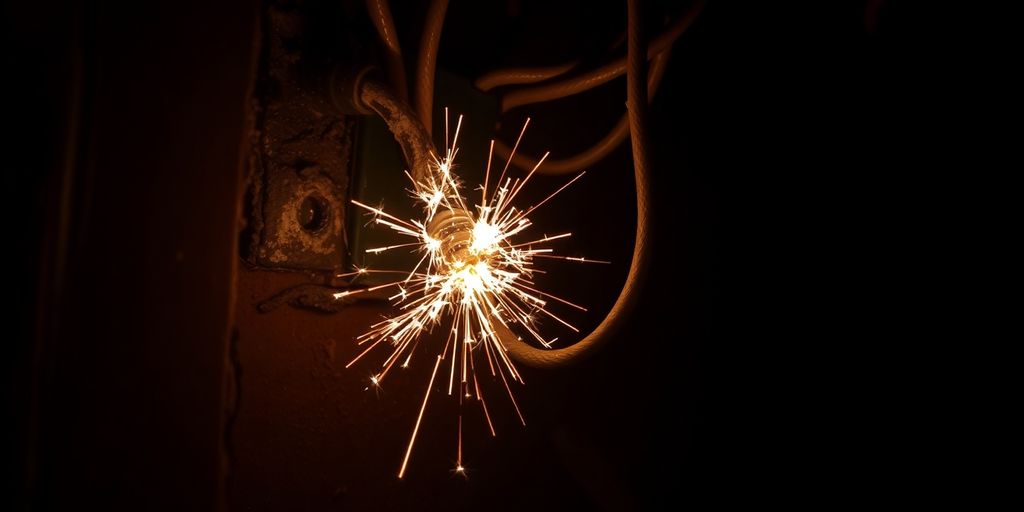
Living in Siesta Key is great, but like any home, the electrical system can start to show its age. You might not think about your wiring much until something goes wrong, right? Well, sometimes those little problems are actually big warnings that your whole system needs an upgrade.
Ignoring them could lead to some serious headaches, or worse. Let’s talk about the signs that tell you it’s time for a Full House Rewire Siesta Key.
Key Takeaways
- Flickering lights or breakers that trip often are clear signs your electrical system can’t keep up.
- Strange sounds like buzzing or crackling from outlets and switches mean something is loose or damaged.
- Discolored outlets, burning smells, or outlets that feel hot to the touch point to dangerous overheating.
- Houses built before modern electrical codes, especially those with aluminum wiring, are at higher risk.
- A Full House Rewire Siesta Key is a safety upgrade that protects your home and family from electrical hazards.
Understanding the Importance of a Full House Rewire in Siesta Key
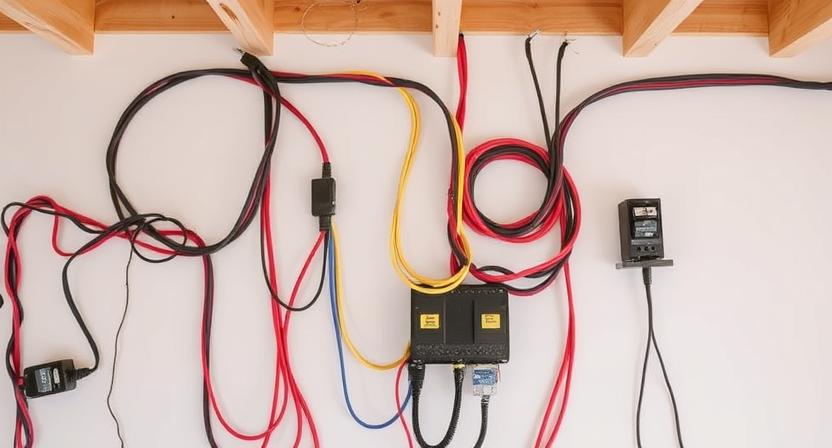
When your home’s electrical system is working fine, it’s easy to just forget about it. But if something starts going wrong, it can be a real headache. Faulty wiring isn’t just inconvenient; it can lead to electrical fires, damage your appliances, and even put you at risk of getting shocked.
Knowing the main warning signs that your home needs rewiring is the first step to avoiding these dangers. Many older homes, especially those built before modern electrical codes were established, might still have outdated wiring that just can’t handle the power demands of today’s world.
Think about all the gadgets and appliances we use now compared to even 30 or 40 years ago – it’s a huge difference. Ignoring signs of outdated home wiring in Siesta Key can turn a small problem into a major safety hazard.
Here are some common indicators that your electrical system might be past its prime:
- Flickering or dimming lights: This often happens when a circuit is overloaded or there’s a loose connection somewhere in the system.
- Circuit breakers tripping often: While breakers trip to protect your system, if it’s happening all the time, even with just a few things plugged in, it’s a sign of trouble.
- Sounds from outlets or switches: Any buzzing, crackling, or popping noises are a definite red flag that something isn’t right.
- Discolored outlets or switches: Brown or black marks around outlets or switches suggest overheating, which is a serious fire risk.
- Burning smells: If you ever smell something like burning plastic or wires, turn off the power to that area immediately and call an electrician.
- Old wiring types: Homes with knob-and-tube wiring or aluminum wiring (common in homes built before the mid-1970s) are known to be less safe and can be a fire hazard.
- Lack of modern safety features: If you don’t have Ground Fault Circuit Interrupter (GFCI) outlets in areas like bathrooms and kitchens, or Arc Fault Circuit Interrupter (AFCI) protection, your home is missing key safety layers.
- Over-reliance on extension cords: Constantly using extension cords and power strips to get power where you need it often means your home’s wiring can’t keep up with demand.
- Appliances acting up: If appliances seem to be getting less power than they should, or they’re not running efficiently, it could be an issue with the wiring supplying them.
- The age of your home: Even if you haven’t noticed specific problems, if your home’s electrical system is 40 years old or more, it’s likely due for an upgrade just based on age and wear.
Old wiring can lead to safety hazards, power issues, and higher energy bills over time. At Siesta Key Electric, we offer expert full house rewire services to bring your home up to modern electrical standards. Our licensed electricians handle everything from removing outdated wiring to installing new, efficient systems that keep your home safe and running smoothly. Whether you’re remodeling or upgrading for safety, we deliver precise, code-compliant work with minimal disruption.
10 Warning Signs You Need a Full House Rewire Immediately
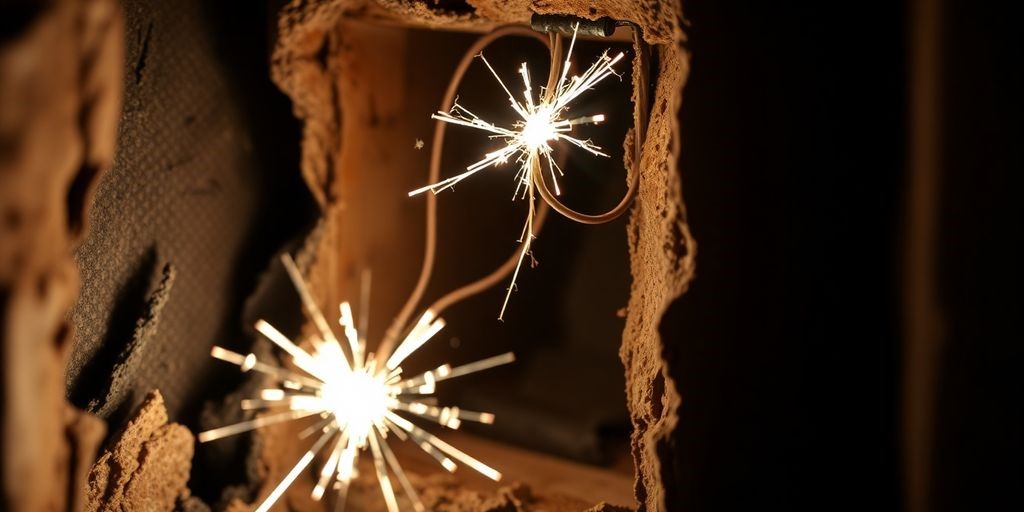
Your home’s electrical system is like the nervous system of your house; when it’s not working right, nothing else really does either. Ignoring the warning signs can lead to some serious trouble, like electrical fires or damaged appliances.
So, what should you be looking out for? Let’s break down the common electrical problems houses can have that signal it’s time for a serious upgrade.
1. Flickering or Dimming Lights
If your lights are constantly dimming when you turn on an appliance or flickering for no apparent reason, it’s a pretty clear sign that your wiring might be struggling to keep up.
This isn’t just annoying; it often means there’s a loose connection somewhere in the circuit, or the circuit itself is overloaded. Don’t just replace the bulbs; investigate the wiring.
2. Frequently Tripping Circuit Breakers or Blown Fuses
We all have a breaker trip now and then, usually when we plug in too many things. But if it’s happening all the time, even with just a few things plugged in, your system is likely overloaded or there’s a fault in the wiring. It’s your system’s way of telling you it can’t handle the load safely.
3. Buzzing or Crackling Sounds from Outlets or Switches
This is a big one. If you hear any buzzing, sizzling, or crackling sounds coming from your outlets or light switches, that’s the sound of trouble.
It usually means there’s a loose connection or arcing happening inside the electrical box, which is a serious fire hazard. You need to get this checked out immediately.
4. Discolored Outlets or Switches
Take a look at your outlets and switch plates. If you see any brown or black discoloration, especially around the openings, it’s a sign of overheating.
This is often caused by loose connections or faulty wiring that’s generating excessive heat. It’s definitely not something to ignore.
5. Burning Smells
This is perhaps the most alarming of the signs of old wiring problems. If you catch a whiff of a burning smell, especially one that seems to be coming from outlets, switches, or even your breaker box, turn off the power to that area immediately and call an electrician. It could indicate a serious short circuit or overheated wires deep within your walls.
6. Outdated Wiring (e.g., Knob and Tube, Aluminum Wiring)
If your home was built before the 1970s, you might have older wiring systems like knob and tube or aluminum wiring. Knob and tube wiring is ungrounded and uses brittle insulation that can degrade over time.
Aluminum wiring, common in homes built between the mid-1960s and mid-1970s, is known to expand and contract more than copper, leading to loose connections and fire risks. Recognizing these signs of old wiring in home is key to knowing when to replace house wiring.
7. Lack of GFCI Outlets in Wet Areas
Ground Fault Circuit Interrupter (GFCI) outlets are designed to shut off power quickly if they detect an imbalance, preventing electrocution. If your bathrooms, kitchen, garage, or outdoor outlets don’t have GFCI protection, your home isn’t up to modern safety codes, and you’re at a higher risk, especially in wet environments.
8. Overloaded Circuits and Extension Cord Reliance
Are you constantly running power strips and extension cords because you don’t have enough outlets? This is a classic sign that your home’s electrical system wasn’t designed for modern energy needs.
Overloading circuits is a major fire risk and can damage your appliances. You might need more dedicated circuits installed.
9. Appliances Not Getting Enough Power
Do your appliances seem to be running weaker than they should? Maybe your washing machine takes forever to fill, or your microwave seems less powerful. This can happen if the wiring can’t deliver enough consistent power to the appliance, leading to poor performance and potentially damaging the appliance over time.
10. Age of Your Home’s Electrical System
Even if you haven’t noticed any specific issues, the age of your home’s electrical system is a significant factor. Electrical wiring has a lifespan, and systems that are 40-50 years old or older are often outdated and may not meet current safety standards or the demands of modern living.
Why a Full House Rewire is Crucial for Siesta Key Homes
Upgrading your wiring means your home meets current safety rules, works reliably, and uses energy efficiently. It’s a smart move for your family’s safety and your property’s value. If you’re wondering when to upgrade your home electrical system Siesta Key, paying attention to the warning signs is key.
Ignoring them is just asking for trouble down the line. Getting a professional electrical inspection is a good idea for ongoing home maintenance and safety.
- Handles Modern Energy Demands: Today’s homes use significantly more electricity than homes built decades ago. A rewire ensures your system can safely power all your appliances, electronics, and smart devices without overloading.
- Prevents Fire Hazards: Old, damaged, or improperly installed wiring is a leading cause of house fires. A full rewire replaces outdated materials and corrects potential dangers.
- Improves Appliance Performance: Inadequate power can cause appliances to run inefficiently or even break down. A modern system provides consistent, reliable power.
- Increases Home Value: A safe, up-to-date electrical system is a major selling point and can significantly increase your property’s market value.
Making sure your electrical setup is up to par is a big part of owning a home. It’s not just about avoiding inconvenience; it’s about protecting your family and your property from serious risks. A full house rewiring is a significant project, but it’s often a necessary one for older homes to keep up with today’s electrical demands and safety standards.
Choosing the Right Electrician for Your Siesta Key Rewire Project
So, you’ve gone through the warning signs and realized your Siesta Key home needs a serious electrical overhaul. That’s a big step, and honestly, a really smart one for your family’s safety.
But who do you call? Picking the right electrician for a full house rewiring isn’t like choosing someone to change a lightbulb; it’s a major project. You want someone who knows their stuff, plain and simple.
Look for Experience and Licensing
First off, make sure they’re licensed and insured. That’s non-negotiable. A licensed electrician has passed tests and meets state requirements, meaning they know the codes and how to do the job right.
Ask about their experience specifically with full house rewires, not just small jobs. You want an electrician for house wiring Siesta Key residents trust for these bigger tasks.
Check Reviews and References
What are other people saying? Look for online reviews, but also don’t be afraid to ask for references. A good electrician will be happy to provide them. See if they have a good track record with residential wiring replacement services.
If you can find someone who has done similar work in your neighborhood, even better. It gives you a sense of their familiarity with local conditions.
Get Detailed Quotes
Don’t just go with the first quote you get. Get at least three detailed estimates. These quotes should break down the costs, including labor, materials, permits, and any potential electrical safety upgrades Siesta Key might require.
Make sure the quote clearly outlines the scope of work. If something seems unclear, ask them to explain it. A good electrician will be transparent about the process, including things like residential electrical panel replacement.
Ask About the Rewiring Process
It’s a good idea to understand what the rewiring process actually involves. A reputable electrician can walk you through the steps, from the initial electrical safety inspection Siesta Key to the final testing.
They should be able to tell you about timelines, what to expect regarding power interruptions, and how they handle things like drywall patching. If you’re dealing with urgent electrical work Siesta Key, knowing their process for handling emergencies is also important.
Prioritize Safety and Communication
Ultimately, you want an electrician who prioritizes safety and communicates well. They should be able to answer your questions clearly and make you feel comfortable with the process.
If you’re experiencing emergency electrician Siesta Key wiring issues, quick and clear communication is key. Remember, this is about making your home safe and reliable for years to come, so take your time and choose wisely.
The Benefits of a Modern Electrical System
Upgrading your home’s electrical setup brings a lot of good things. For starters, you get better safety. Old wiring can be a real fire hazard, and a new system means all the modern safety features are in place. Plus, think about all the gadgets we use now – laptops, big TVs, smart home stuff.
A modern system can handle all that power without breaking a sweat, unlike those old systems that might just give up. It also makes your home more energy efficient, which is good for your wallet and the planet.
Here are some of the perks:
- Improved Safety: Reduces the risk of electrical fires and shocks.
- Increased Capacity: Easily powers all your modern appliances and electronics.
- Energy Efficiency: Can lead to lower electricity bills.
- Peace of Mind: Knowing your electrical system is up to current standards.
Conclusion: Prioritize Safety with a Full House Rewire
So, we’ve talked about all the red flags that might mean your home’s electrical system is on its last legs. Things like lights that flicker for no reason, breakers that trip constantly, or even weird smells coming from your outlets. These aren’t just minor annoyances; they’re serious warnings that your wiring might be unsafe.
Prioritizing a full house rewire is about protecting your family and your home. It’s not just about convenience; it’s a safety measure that can prevent fires, electrical shocks, and damage to your appliances. Plus, a modern system is more efficient, which can even save you money on your energy bills in the long run.
Siesta Key Electric specializes in full house rewire services to upgrade your electrical system with safety and reliability in mind. Whether you’re remodeling or replacing outdated wiring, our licensed electricians ensure every connection is up to code. We handle the process from start to finish with precision, keeping your home safe and running smoothly.
Contact us right now for reliable electrical services.
Frequently Asked Questions
Why do my lights flicker or dim sometimes?
If your lights flicker or dim when you turn on other appliances, it could mean your wiring can’t handle the power needed. It’s like trying to run too many toys on one battery – things start to slow down or act weird.
What does it mean if my circuit breaker keeps tripping?
When a circuit breaker trips a lot, it’s usually because too much electricity is trying to go through that circuit. Think of it like a traffic jam – the breaker steps in to stop things from getting too crowded and causing problems.
Is it bad if my outlets or switches make buzzing sounds?
Hearing buzzing or crackling sounds from your outlets or switches is a big red flag. It means electricity might be jumping across a gap where it shouldn’t be, like a tiny spark.
What do discolored outlets or switches mean?
If you see brown or black marks around your outlets or switches, it means they’ve gotten too hot. This heat can damage the plastic and is a sign of bad connections or wires that are struggling.
Why do I sometimes smell burning near my outlets?
A burning smell, especially near outlets or the main electrical box, is a serious warning. It means wires inside your walls might be overheating and could start a fire.
How old is too old for my home’s wiring?
Homes built before the 1970s often used aluminum wiring, which isn’t as safe as modern copper wiring. It can become loose over time and is more likely to cause fires.