
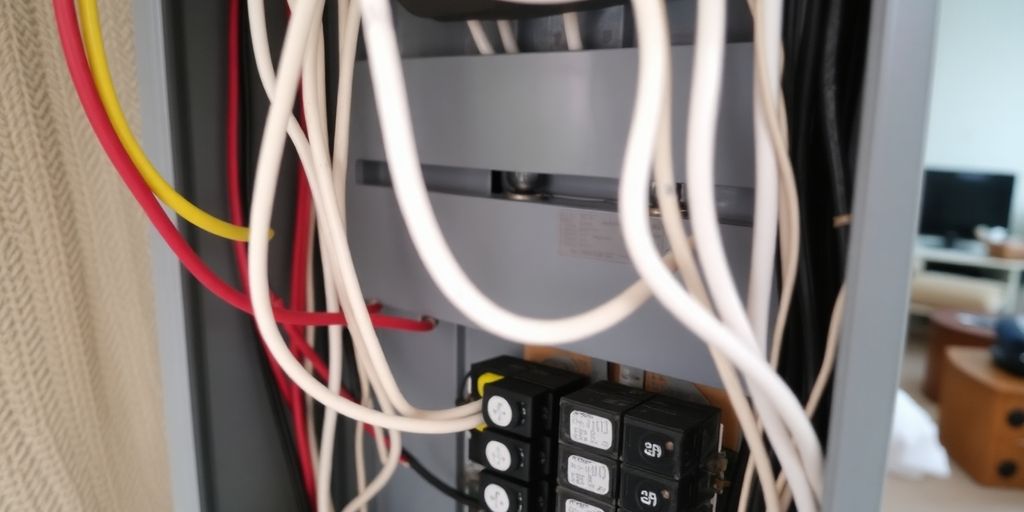
Thinking about a Home Rewire Florida? It’s a big job, but if your house is older, you might be seeing some signs that it’s time for an upgrade. Old wiring can be a real safety hazard, not to mention it might not be able to handle all the gadgets we use today.
This guide is here to help you understand why a rewire is important, what to look out for, and what the process generally involves. We’ll cover everything from picking the right electrician to making sure your home is ready for the future.
Key Takeaways
- Upgrading your electrical wiring can make your home much safer, cutting down the risk of fires and shocks.
- Older wiring systems often can’t handle the power needs of modern appliances and electronics, so a rewire is usually needed.
- Watch out for signs like lights flickering, circuit breakers tripping a lot, or outlets that look discolored – these mean trouble.
- Always hire a licensed electrician in Florida to make sure the job is done right and meets all safety standards.
- Plan ahead by listing your appliances and thinking about future needs, like electric car chargers, to get the most out of your rewire.
Why Home Rewiring is Crucial in Florida
Living in Florida means dealing with a lot of sunshine, but it also means your home’s electrical system is working overtime, especially with air conditioning running constantly. Older homes, in particular, might have wiring that just can’t keep up with today’s power demands. This isn’t just about convenience; it’s a serious safety issue.
Old wiring can overheat, leading to potential fires, and it might not be able to handle the load from modern appliances, smart home tech, or even electric vehicle chargers. Think about it: if your house was built before, say, the 1970s, its electrical system was designed for a much simpler time.
Upgrading your home’s electrical system is a smart move for several reasons:
- Safety First: Old wiring is a leading cause of house fires. Replacing it with modern, properly rated wire significantly reduces this risk.
- Handling Modern Loads: Today’s appliances and electronics draw much more power. New wiring can safely support these demands, preventing overloads and potential damage.
- Energy Efficiency: While it might seem counterintuitive, updated wiring can actually improve energy efficiency by reducing resistance and preventing energy loss.
- Future-Proofing: Planning for things like electric vehicle charging stations or a growing collection of smart home devices means your home is ready for the future.
Signs Your Florida Home Needs Rewiring
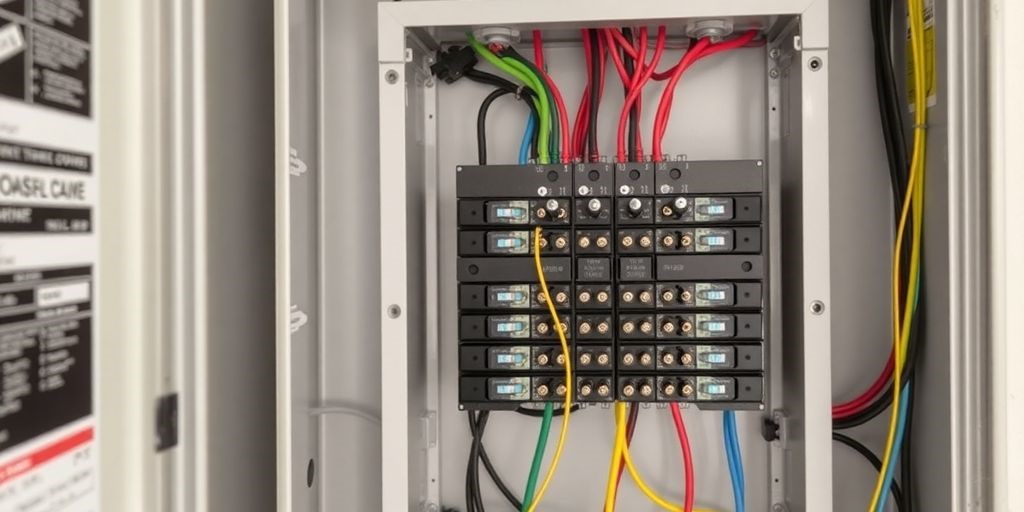
It’s easy to forget about the electrical wiring in your home, especially if it’s hidden behind walls. But if you live in Florida, where the heat and humidity can take a toll on everything, paying attention to your electrical system is super important.
Old wiring just isn’t built for the way we live now, with all our gadgets and appliances. Ignoring the signs you need home electrical rewiring can be a real safety hazard. Think of it like this: your home’s electrical system is its circulatory system, and if it’s clogged or weak, things start to go wrong.
Frequent Circuit Breaker Tripping
This is one of the most common indicators that your electrical system is struggling. If you find yourself constantly resetting breakers, it means the circuits are overloaded or there might be a fault. It’s a sign your home’s wiring isn’t equipped to handle the power demands of modern appliances and electronics.
Dimming or Flickering Lights
Lights that dim or flicker when you use other appliances, like a microwave or hairdryer, suggest that the circuit is being overloaded. It can also point to loose connections within the wiring or at the outlets themselves. This isn’t just annoying; it can be a fire risk.
Discolored Outlets or Switches
Take a look at your outlets and light switches. If you see any discoloration, especially brown or black marks around them, it’s a serious warning sign. This usually indicates that the outlet or switch is overheating due to a poor connection or excessive load, which can lead to fires.
Burning Smells or Buzzing Sounds
These are perhaps the most alarming signs. A burning smell, often described as like burning plastic, or persistent buzzing or sizzling sounds coming from outlets, switches, or even your breaker panel, means there’s likely a serious issue like arcing or overheating wires. If you notice any of these, it’s time for an immediate Florida home electrical safety inspection.
Ignoring these warning signs can lead to more significant problems, including electrical fires and damage to your appliances. It’s always better to be proactive and address these issues before they escalate into a dangerous situation.
The Florida Home Rewiring Process: What to Expect
So, you’re thinking about rewiring your Florida home? It sounds like a big job, and honestly, it is. But understanding the process makes it way less intimidating. It’s not just about pulling new wires; it’s a structured project that involves careful planning and execution.
The whole process typically takes between 5 to 10 days, depending on your house’s size and how easy it is to get to the walls and ceilings. Think of it like a renovation, but focused specifically on your home’s electrical nervous system. You’ll want to prepare for some disruption, like temporary power outages and maybe some dust, but it’s all part of getting a safer, more reliable electrical setup.
Choosing a Qualified Electrician in Florida
Finding the right person for the job is probably the most important step. You don’t want just anyone messing with your home’s electricity. Start by asking friends or neighbors for recommendations, or check with local licensing boards. Once you have a few names, do a little digging.
Get at least three detailed quotes so you can compare pricing and what’s included. Make sure any electrician you consider is licensed in Florida and carries liability insurance – this protects you. Also, look at reviews and ask for references from past rewiring projects.
A good electrician will explain the process, potential issues, and even suggest ways to improve your system. Don’t be afraid to ask questions like how long they’ve been doing rewires or what kind of warranty they offer on their work.
Permits and Inspections in Florida
This is a big one, especially here in Florida. Most electrical work, including a full home rewire, requires permits from your local city or county. Your electrician should handle this for you, but it’s good to confirm. These permits ensure the work meets all the state and local building codes, which are there for your safety.
After the rewiring is done, there will be inspections. An inspector will come out to check that everything was installed correctly and safely. Passing these inspections is the final step that officially signs off on the work, confirming your new wiring meets all the required standards. It’s a necessary part of the process to guarantee everything is up to code and safe for your family.
Key Components of a Home Rewire Checklist
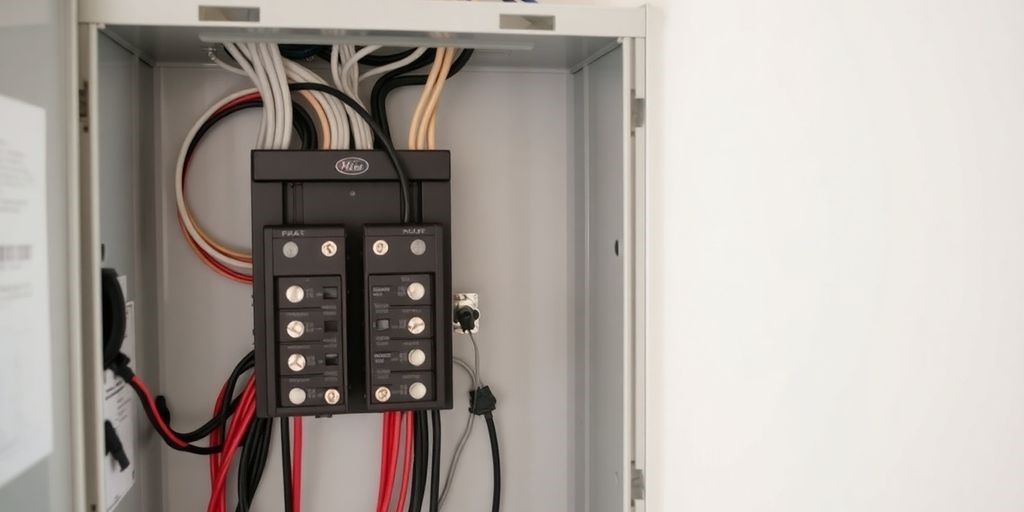
When you decide to rewire your Florida home, having a solid checklist makes the whole process way less overwhelming. It’s not just about swapping out old wires; it’s about making sure your home’s electrical system is safe, efficient, and ready for whatever you throw at it in the future. Thinking through these key components beforehand really helps.
Assess Current and Future Electrical Needs
Before anything else, sit down and really think about how your home uses electricity now and how that might change. List out all your major appliances, like your HVAC system, kitchen gadgets, and any home office equipment.
Don’t forget about things like electric vehicle chargers or hot tubs if you’re considering them. It’s about planning for the next 10 to 20 years, not just today. This helps avoid needing another upgrade too soon.
Create an Electrical Layout Map
Grab a piece of paper or use a simple app to sketch out your home’s floor plan. Mark where you’ll need outlets, light fixtures, and switches. It’s also a good time to think about dedicated circuits for those high-power appliances.
Having a visual map makes it easier to communicate your needs to the electrician and can help them design a more efficient system.
List Appliances and Devices
This is where you get specific. Make a detailed list of everything that uses electricity in your home. Think about:
- Kitchen: Refrigerator, oven, dishwasher, microwave, coffee maker.
- Living Areas: TVs, sound systems, computers, lamps.
- Bedrooms: Charging stations, fans, personal electronics.
- Other: HVAC, washing machine, dryer, power tools, smart home devices.
This list helps determine the load your new system needs to handle. It’s one of the key benefits of updating home electrical system.
Plan for Electrical Zones
Think about dividing your home into different electrical zones. For example, the kitchen usually needs more circuits because of all the appliances. Bedrooms might have different needs than a home office. This zoning helps with managing power and makes troubleshooting easier if a problem pops up later. It’s a smart way to organize your home’s power distribution.
Proper planning upfront can save a lot of headaches and money down the line. It ensures your electrical system is not only safe but also works efficiently for your lifestyle.
Choose Corrosion-Resistant Materials on the Coast
If your home sits on Siesta Key, Bird Key, or anywhere near Sarasota Bay, add one more line to your checklist: ask for corrosion-resistant wiring components. Salt air works its way into panels and junction boxes over time, and it corrodes copper and aluminum connections faster than a standard inland rewire would ever see.
A rewire is the right time to upgrade to marine-grade hardware and sealed connections at any point exposed to outdoor or humid conditions, including pool equipment, outdoor outlets, and panels near exterior walls. It costs a little more upfront, but it means your new wiring is built for the environment it actually lives in, not just a generic Florida climate. Our guide on how salt air affects electrical systems covers this in more detail.
Budget and Get Quotes
Once you have a good idea of what you need, it’s time to think about cost. Get several quotes from licensed electricians. Make sure they understand your needs and provide a detailed breakdown of the work and materials. Comparing quotes helps you find a good balance between quality and price.
Cost Considerations for Home Rewiring in Florida
So, you’re thinking about rewiring your Florida home? That’s a smart move for safety and future-proofing, but let’s talk about the elephant in the room: the cost. It’s definitely an investment, and understanding where your money goes is key.
The cost of rewiring a house in Florida can really vary, but most homeowners end up spending somewhere between $5,000 and $15,000 for a full rewire. Of course, bigger houses or older ones with tricky wiring might push that number higher, sometimes even past $20,000. It’s not just about the wires themselves; it’s the whole package.
Factors Influencing the Florida Electrical Upgrade Cost
Several things play a big role in the final bill. Your home’s size is a major one – more square footage means more wire and more labor. The age of your house matters too; older homes often have outdated systems that need more work to bring up to current standards.
The complexity of the job is another factor. Are we just replacing old wires, or are we adding a bunch of new outlets and circuits for that new home office or electric car charger? That all adds up.
Understanding Electrical Panel Upgrade Costs in Florida
Don’t forget about the electrical panel, often called the breaker box. If yours is old or can’t handle your home’s current power needs, you’ll likely need an electrical panel upgrade cost Florida factored into your budget.
This can add anywhere from $1,000 to $3,000 or more, depending on the panel’s size and the complexity of the upgrade. It’s a necessary step for safety and to support modern energy demands.
Budgeting for Materials and Labor
When you get quotes, you’ll see breakdowns for labor and materials. Licensed electricians in Florida typically charge between $50 and $120 per hour. High-quality wiring, breakers, outlets, and other components also contribute to the overall expense.
While it might be tempting to go with the cheapest option, remember that quality materials and skilled labor prevent bigger, more expensive problems down the road.
Permits and Unexpected Expenses
Most Florida municipalities require permits for major electrical work, and these come with fees. Inspections are also part of the process to ensure everything is up to code. It’s also wise to set aside a contingency fund, maybe 10-20% of your estimated cost.
Sometimes, during a rewire, electricians uncover hidden issues like old, unsafe wiring or damage that wasn’t visible before. Having that buffer means you won’t be caught off guard by unexpected costs.
Wrapping Up Your Florida Home Rewire
So, we’ve gone over why rewiring your Florida home is a pretty big deal. It’s not just about getting rid of those annoying flickering lights or the breakers that trip all the time. It’s really about making sure your house is safe for your family and can actually handle all the stuff we plug in these days, like those big TVs and maybe even an electric car charger down the line.
Think of it as giving your home a much-needed electrical tune-up. It might seem like a lot of work, and honestly, it can be a bit disruptive, but the peace of mind you get knowing your wiring is up to code and won’t cause problems is totally worth it.
Contact us today for reliable electrical services.
Not sure your home needs a full rewire yet? Review these 10 warning signs you need a full house rewire, then see our guide on hiring a rewiring electrician near you.
Related Reading
A safe rewire also depends on proper grounding and bonding. See our guide on what bonding for electrical contractors does in Siesta Key homes.
Frequently Asked Questions
What is home rewiring, and why is it important?
Home rewiring means replacing the old electrical wires in your house with new ones. It’s super important because old wires can be dangerous, like causing fires. New wires can handle all the cool gadgets and appliances we use today without getting overloaded, and they make sure your home follows the latest safety rules.
How can I tell if my house needs rewiring?
Look out for lights that flicker or dim for no reason, or if your circuit breaker trips a lot. If you see outlets or switches that look burnt or discolored, or if you smell burning or hear buzzing sounds, it’s a big sign your wiring needs checking. Also, if your house is over 50 years old, it’s probably a good idea to get it checked out.
Can I rewire my home myself, or should I hire a professional?
It’s best to hire a licensed electrician. Electrical work can be tricky and dangerous if you don’t know exactly what you’re doing. Electricians know all the safety rules and codes, and they can make sure the job is done right the first time, which is much safer than trying it yourself.
How much does it cost to rewire a house?
The cost can change a lot depending on how big your house is, how old the wiring is, and what electricians charge in your area. It can range from a few thousand dollars to over ten thousand dollars. It’s a good idea to get a few price quotes from different electricians to get a better idea.
What steps can I take to prepare for a rewiring project?
First, think about all the things you use electricity for now and what you might want in the future, like electric cars or smart home gadgets. Make a list of all your appliances. Also, try to set a budget for the project and talk to your electrician about the best way to do the work with as little mess as possible.
Can rewiring help my home handle new technology and save energy?
Yes, absolutely! New wiring can handle things like electric car chargers, bigger air conditioners, and all your smart home devices without causing problems. It makes your home ready for new technology and uses energy more efficiently, which can save you money on your electricity bills.