
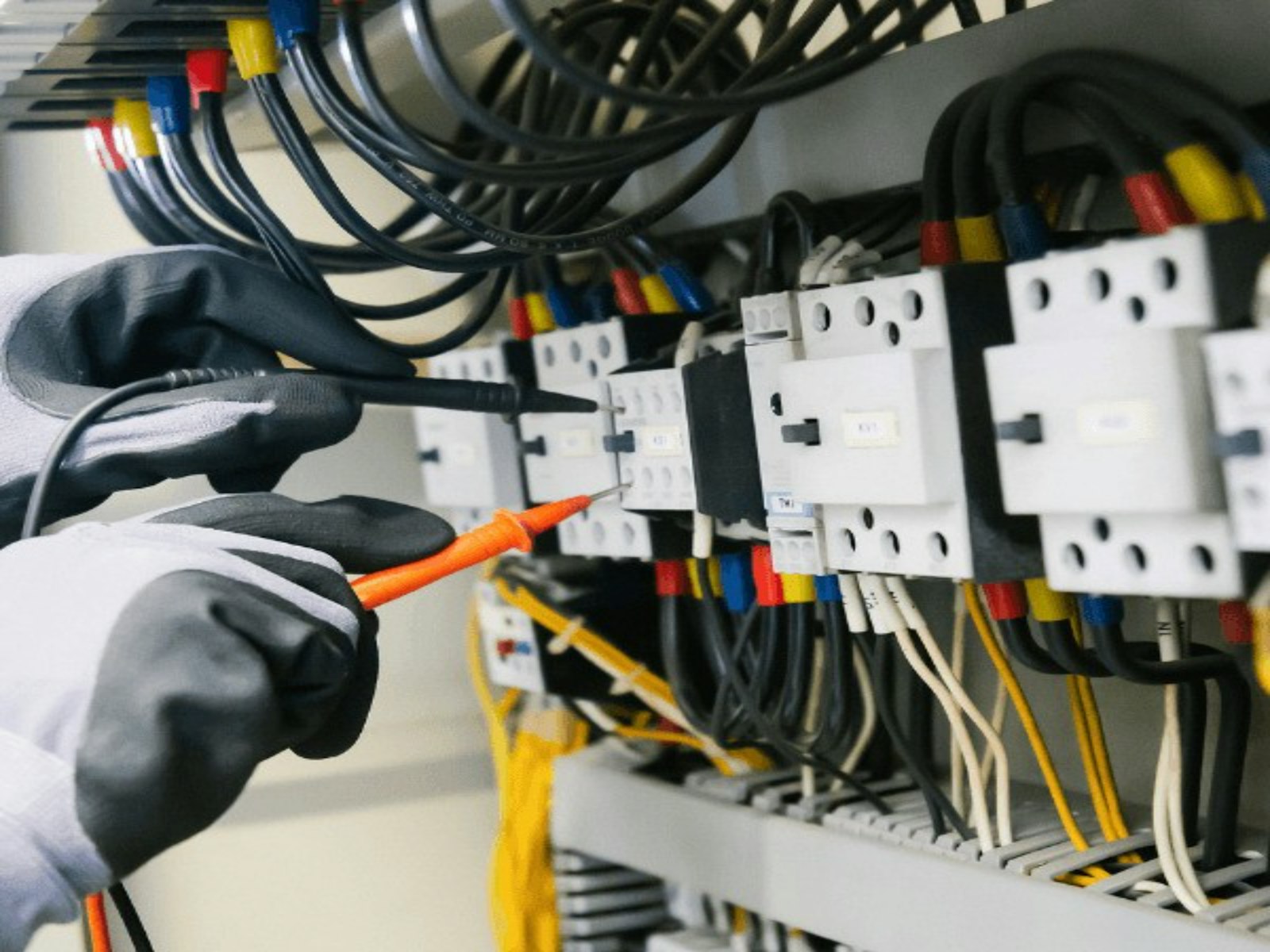
TL;DR: Commercial electrical maintenance is a planned schedule of inspections, testing, and small repairs that keeps a building’s power system safe and running. For Sarasota and Siesta Key businesses, salt air and storm season make that schedule more urgent than it is inland. Since 2023, NFPA 70B treats maintenance as a standard, not a suggestion. Book a walk through before the winter season and call (941) 799-2279 for a free estimate.
Commercial electrical maintenance is what keeps a restaurant open on a busy February Saturday. Skip it, and one burned out breaker can close the doors. On Siesta Key, St. Armands, and across Sarasota County, the same salt air that draws visitors also works on every exterior panel, rooftop disconnect, and parking lot light.
Electrical malfunctions caused an estimated 7,400 fires in nonresidential buildings across the U.S. in 2023. Those fires led to about $354 million in property loss that same year.
Most of those failures start small. A loose lug, a corroded terminal, or a breaker that runs hot for months before anyone notices.
This guide covers what commercial electrical maintenance includes and how often your building needs it. It also explains why late fall is the smartest time to schedule it.
What Is Commercial Electrical Maintenance?
Commercial electrical maintenance is a planned program of inspections, testing, cleaning, and tightening for a building’s panels, switchgear, wiring, lighting, and backup power. The goal is to catch wear, corrosion, and heat damage early, before it turns into an outage, a failed inspection, or a fire.
Reactive repair waits for something to fail. Preventive maintenance works on a schedule, so small problems get fixed while they are still cheap.
For decades, NFPA 70B was only a recommended practice. That changed in January 2023, when it became an ANSI approved standard with mandatory language for electrical maintenance programs.
The 2023 edition also sets maintenance intervals based on each piece of equipment’s physical condition, how critical it is, and its operating environment. For a building a few blocks from the Gulf, that last factor carries a lot of weight.
Why Coastal Businesses Need a Tighter Maintenance Schedule
Salt doesn’t stay on the beach. Research on coastal corrosion shows that marine air does its heaviest damage within a few hundred meters of the shoreline and fades quickly further inland. Much of Siesta Key sits right inside that zone.
Salt particles settle on metal and pull moisture out of humid air. That damp film slowly eats at copper and aluminum terminals, breaker lugs, enclosure hinges, and conduit fittings.
Commercial properties also carry far more exposed equipment than a typical home. Think rooftop HVAC disconnects, exterior meter banks, parking lot poles, illuminated signs, and pool or patio circuits at hotels and condo buildings.
That is why we built the Siesta Key Standard around marine grade hardware, corrosion resistant fittings, and sealed enclosures. Our commercial electrical services look past the main panel to every outdoor connection that a mainland checklist might skip.
What Should a Commercial Electrical Maintenance Checklist Include?
A solid commercial electrical maintenance checklist starts with the main panels, connection tightness, and signs of heat or corrosion. It also covers GFCI protection, emergency and exit lighting, rooftop and exterior equipment, surge protection, grounding, and any backup generator. Every item should be written down so changes can be tracked year to year.
| Area | What gets checked | Coastal watch point |
|---|---|---|
| Service and distribution panels | Loose lugs, discoloration, breaker condition, labeling | White or green buildup on terminals |
| Rooftop and exterior disconnects | Enclosure seals, hinges, conductor condition | Rusted covers or salt crust inside the box |
| Emergency and exit lighting | Monthly and annual battery tests | Fixtures near open doors or breezeways |
| GFCI receptacles | Trip tests in kitchens, restrooms, and outdoor areas | Worn outdoor covers and gaskets |
| Parking lot and sign lighting | Fixtures, photocells, pole base connections | Corrosion at pole bases and hand holes |
| Surge protection and grounding | Surge device status, ground connections | Clamps and connectors exposed to moisture |
| Generator and transfer switch | Load exercise, transfer test, batteries | Salt on terminals and control boards |
Paperwork matters as much as the inspection. The 2023 edition of NFPA 70B calls for a documented electrical maintenance program with written procedures, not just occasional checks.
Warehouses, marinas, and light manufacturing sites with motors and control panels need a deeper list. Our industrial electrical services page covers that equipment.
How Often Should a Commercial Building Have an Electrical Inspection?
Under the 2023 edition of NFPA 70B, all electrical equipment should be inspected at least once every 12 months. Equipment in poor condition needs closer attention, with thermal scans at least every six months. Emergency lighting follows its own monthly and annual testing schedule under the Life Safety Code.
The 12 month baseline is one of the biggest changes in the new standard. NFPA 70B now requires inspection of all electrical equipment at least every 12 months, with shorter intervals for equipment in worse shape.
Equipment rated in the poorest condition category, including gear where earlier scans found urgent problems, needs thermographic inspection at least every six months.
Emergency lighting has its own clock. Florida’s current Fire Prevention Code is based on the 2021 edition of NFPA 101. That code calls for a 30 second functional test every 30 days and a 90 minute test once a year for battery powered units.
On the barrier islands, we also suggest a quick visual check of exterior equipment between annual inspections. A storm or a week of strong onshore wind can push a lot of salt into enclosures in a short time.
What Does an Infrared Electrical Inspection Find?
An infrared electrical inspection uses a thermal camera to spot connections, breakers, and conductors that run hotter than they should. Heat is usually the first warning sign of a loose or corroded connection. The scan happens while equipment runs under normal load, so most businesses keep operating during the inspection.
Thermal scanning is not new. The previous edition of NFPA 70B recommended annual infrared scans for switchgear, motor control equipment, busway, and UPS systems.
A thermal image can reveal a loose lug, an overloaded breaker, or one phase carrying much more current than the others. In coastal buildings, it often points straight to a terminal that corrosion has started to loosen.
When you request maintenance quotes, ask whether a thermal scan is part of the scope. Also ask whether you will receive a written report with images, so you have a record for your insurer and for next year’s comparison.
Timing Maintenance Around Storm Season and Peak Season
The Atlantic hurricane season runs from June 1 to November 30, with most activity from August through October. By late October, the busiest stretch is usually behind us.
That leaves a useful window. The worst of storm season has passed, and the winter rush of snowbirds and visitors hasn’t started yet. Restaurants, shops, and rentals on Siesta Key can schedule work before their busiest months.
If your building has standby power, check it now. Under NFPA 110, generators should get a weekly inspection and a monthly exercise under load for at least 30 minutes. Our backup generator guide explains how to size and protect a system on the coast.
Condo associations and rental owners face the same timing question across many units. Our guide for Sarasota property managers covers how to plan electrical work around guest turnover.
Most maintenance can happen early in the morning or after closing, so customers never notice. Working with licensed electrical contractors in Sarasota County who know local codes keeps that schedule tight and the work compliant.
Protect Your Business Before the Season Starts
Three things matter most. NFPA 70B is now an enforceable standard with a 12 month inspection baseline. Salt air shortens the life of exterior equipment, so coastal buildings need closer checks than inland ones. And late fall is the best window to do the work before your busiest months.
Siesta Key Electric is a family owned, licensed, and insured contractor built around the Siesta Key Standard. Call (941) 799-2279 or request a free estimate for your commercial property.
Hurricane season runs through November 30. Don’t wait for the next storm to find the weak spot in your building’s electrical system.
Frequently Asked Questions
How much does commercial electrical maintenance cost in Sarasota?
Cost depends on building size, the number of panels, and the scope of testing. As a national reference point, a panel inspection typically runs about $217 to $663. Larger buildings with switchgear, generators, and thermal scans are priced by scope, so ask for a written estimate.
Is NFPA 70B required for businesses in Florida?
NFPA 70B became a standard with mandatory language in 2023, replacing the older recommended practice. How strictly it is enforced depends on your local authority having jurisdiction. Either way, it is the clearest benchmark a business owner can follow for maintenance intervals and records.
Can electrical maintenance be done without shutting down my business?
Much of it can. Visual checks and infrared scans happen while equipment is running under load. Tightening and cleaning inside panels usually needs a short planned shutdown, which can often be scheduled before opening or after closing.
Do condo associations and vacation rental buildings need commercial electrical maintenance?
Yes, for their shared systems. Hallway and stair lighting, emergency lights, pool equipment, and parking lot lighting all work like a commercial building. Coastal condo buildings often have the most exposed equipment of any property type on the island.
How often should emergency and exit lights be tested?
Battery powered emergency lights and exit signs need a 30 second functional test every 30 days and a 90 minute test once a year. Keep a written log of each test, including the date, the result, and any repairs made.