
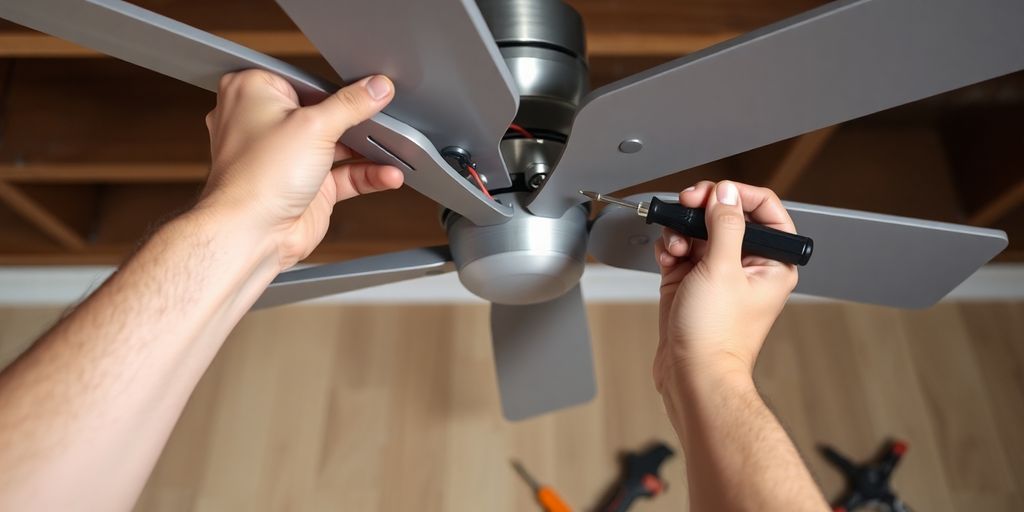
So, you’ve decided to get a new ceiling fan. Great choice for keeping things cool and maybe even saving a bit on your energy bill. But now comes the big question: should you tackle the installation yourself, or is it time to call in the pros? It’s a common dilemma, and honestly, it really depends on what you’re comfortable with.
We’re going to break down what goes into installing a ceiling fan, look at the upsides and downsides of doing it yourself versus hiring someone, and help you figure out the best path forward, especially if you’re in the Sarasota area.
Key Takeaways
- DIY installation can save money on labor costs but carries risks if you’re not experienced with electrical work.
- Professional ceiling fan installation offers safety, time savings, and peace of mind, especially for complex jobs.
- Factors like your comfort level with electrical tasks, ceiling height, and wiring complexity should guide your decision.
- Always check if your junction box is rated for a ceiling fan; if not, professional help is recommended.
- For those in Sarasota, finding a qualified professional ensures the job is done safely and correctly.
Understanding Ceiling Fan Installation Basics
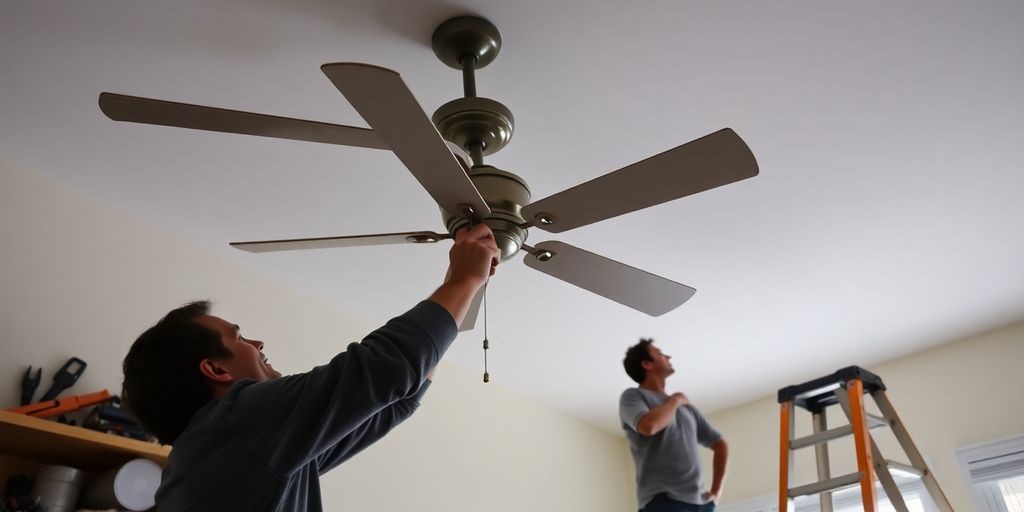
So, you’re thinking about adding a ceiling fan or maybe replacing an old one. That’s great! Ceiling fans are fantastic for keeping things comfortable year-round, and they can even help save a bit on your energy bills.
But before you grab your tools, it’s good to know what you’re getting into. Installing a ceiling fan involves more than just screwing in a few parts; it’s about understanding the electrical work and ensuring everything is secure.
Safety First
This is non-negotiable. Before you touch any wires, make sure the power to the circuit you’re working on is completely off at the breaker box. Seriously, double-check it. You don’t want any unexpected shocks while you’re up on a ladder.
It’s a key part of installing ceiling fans safely. If you’re not comfortable with this step, it might be time to hire ceiling fan installer Sarasota.
Assess the Space
Not all ceilings are created equal, and neither are the electrical boxes in them. You need to make sure the box in your ceiling is rated to hold the weight and vibration of a fan. If it’s just a standard light fixture box, it might not be strong enough.
You might need to upgrade it, which is where things can get a bit more complicated. Knowing if you need ceiling fan mounting Sarasota support is important.
Out with the Old
If you’re swapping out an old fixture, the first step is usually removing it. Take note of how it was wired and attached. Keep all the parts, just in case.
This is a good time to check the condition of the wiring itself. If the wiring looks old or damaged, it’s definitely a sign you should consider a professional. Sometimes, Sarasota ceiling fan repair is needed before a new fan can even be considered.
Set the Stage with the Mounting Bracket
The mounting bracket is what holds your fan securely to the ceiling. It needs to be attached firmly to the electrical box, which in turn needs to be securely fastened to the ceiling joist.
This is a critical step for preventing wobbles and ensuring the fan doesn’t come crashing down. If you’re unsure about the bracket or the box, it’s a good indicator that you might need a ceiling fan mounting service Sarasota.
Wiring the Fan
This is where most DIYers get a little nervous. You’ll be connecting wires from the ceiling to the fan motor. Typically, there are wires for the fan motor and wires for a light kit. Getting these connections right is vital for the fan to work correctly and safely.
If you’re not confident in your ability to wire a ceiling fan, it’s best to call a professional.
Attach Blades and Light Kit
Once the main motor is hung and wired, you’ll attach the fan blades and any light kit. Make sure the blades are balanced; unbalanced blades cause that annoying wobble. Most fans come with balancing kits if needed. This is often the final step before turning the power back on and testing your work.
If you’re looking for a Sarasota electrician ceiling fan specialist, or need ceiling fan replacement Sarasota, there are professionals who can handle it efficiently and safely. They have the tools and knowledge to get the job done right the first time, which can save you a lot of hassle and potential headaches.
When DIY Might Be Suitable
- You have some experience with basic home repairs and electrical work. If you’ve successfully wired a light fixture or tackled other simple electrical tasks before, this might be within your reach.
- Your existing ceiling box is fan-rated. Not all electrical boxes are built to handle the weight and vibration of a ceiling fan. If yours is specifically marked as ‘acceptable for fan support,’ that’s a good sign.
- You have the right tools and are willing to take the time to learn. This isn’t quite like assembling flat-pack furniture; it involves wiring and potentially working on a ladder.
- You’re comfortable reading and following instructions carefully. This includes understanding wiring diagrams and safety precautions.
Potential DIY Pitfalls and Risks
Let’s be honest, though. While the DIY path can be rewarding, it’s not without its challenges. The biggest hurdle for many is the electrical work involved. Messing with wiring when you’re not experienced can be genuinely dangerous.
We’re talking about the risk of electric shock or, in a worst-case scenario, starting a fire. It’s not just about connecting wires; it’s about making sure they’re connected correctly and safely. Improper installation can lead to serious safety hazards.
Beyond the electrical side, there’s the physical aspect. You’ll be working on a ladder, possibly lifting a heavy motor, and dealing with parts that might not fit together perfectly. If you’re not careful, you could end up with a wobbly fan, or worse, damage to your ceiling or the fan itself. It’s definitely more involved than hanging a picture.
Here’s a quick look at the trade-offs:
| Aspect | DIY Pros | DIY Cons |
| Cost | Saves on labor costs | Potential cost of mistakes/tool purchases |
| Time | Done on your own schedule | Can be time-consuming, especially if learning |
| Satisfaction | High sense of accomplishment | Frustration if things go wrong |
| Safety | You control the process | Risk of electrical shock or fire if done wrong |
| Control | Full say over fan choice and placement | Limited by existing wiring/support |
The Professional Advantage: Why Hire an Expert?
Benefits of Professional Installation
When you’re thinking about getting a new ceiling fan installed, it’s easy to look at it and think, “How hard can it be?” But honestly, messing with electrical wiring without the right know-how can be a real headache, and sometimes even dangerous.
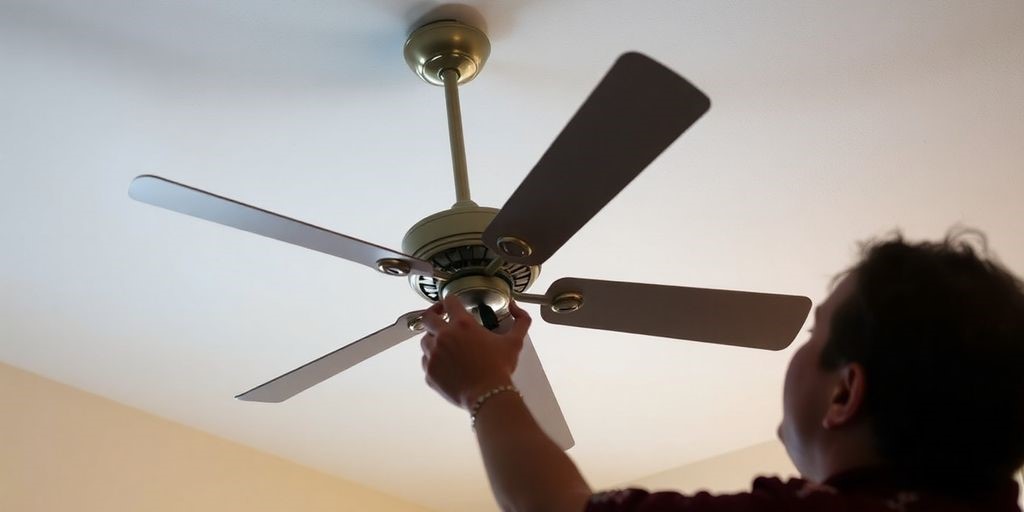
Hiring a professional electrician for ceiling fan installation ensures safety, proper mounting, and optimal balance. They’ve got the training to handle electrical work safely, making sure everything is connected correctly and up to code.
This means you avoid potential issues like flickering lights, the fan not working right, or worse, electrical hazards. Plus, they know how to securely mount the fan, which is super important, especially for heavier models or if you have high ceilings. They can also help make sure the fan is balanced, so it runs smoothly without that annoying wobble.
When Professional Installation is Essential
There are definitely times when calling in the pros is the way to go. If your home doesn’t already have a ceiling fan box installed, that means new wiring needs to be run, and that’s definitely an electrician’s job.
High ceilings can also make things tricky, requiring special ladders and safety precautions that most homeowners don’t have. If you’re not comfortable working with electricity at all, or if the fan you bought is particularly large or complex, it’s best to leave it to the experts.
Cost Comparison: DIY vs. Professional
When you’re weighing whether to tackle a ceiling fan installation yourself or call in the pros, the cost is usually a big part of the conversation.
It’s not just about the price tag of the fan itself, but also the investment in tools, your time, and the potential for costly mistakes. Let’s break down what you might expect to spend in either scenario.
DIY Costs
Going the DIY route can seem like the budget-friendly option upfront. You’re saving on labor, which can be a significant chunk of the professional fee. However, you’ll need to factor in the cost of any tools you might not already own, like a voltage tester or a sturdy ladder. If you don’t have them, these can add up.
Plus, there’s always the risk of making a mistake. A simple wiring error could mean buying replacement parts or, in a worst-case scenario, needing an electrician to fix it anyway, potentially costing you more than if you’d hired someone from the start.
- Tool Acquisition: Purchasing necessary tools if you don’t have them.
- Potential Material Costs: Buying extra wire nuts or connectors.
- Cost of Errors: Repairing damage from incorrect installation.
Professional Costs
When you hire a professional, you’re paying for their knowledge, experience, and the assurance that the job will be done correctly and safely. The cost typically includes the labor and any basic materials needed for the installation.
While it’s a higher upfront expense, it often translates to better value by avoiding future problems. For example, ensuring your fan is properly balanced and securely mounted can prevent wobbling and noise down the line, saving you hassle.
- Labor Charges: Varies based on local rates and job complexity.
- Materials: Usually includes basic connectors and mounting hardware.
- Warranty/Guarantee: Many professionals offer a warranty on their work.
Comparing the Expenses
| Expense Category | DIY Estimate | Professional Estimate |
| Fan Purchase | $100 – $500+ | $100 – $500+ |
| Labor | $0 | $200 – $500+ |
| Tools/Supplies | $20 – $100 | $0 (included) |
| Potential Repairs | $0 – $200+ | $0 |
| Total Estimated Cost | $120 – $800+ | $300 – $1000+ |
Keep in mind: These are just estimates. The actual cost can swing quite a bit depending on the specific fan you choose, your location, and any unexpected issues that pop up during installation. For complex jobs, like installing a fan where no fixture existed before, you might need new wiring, which will increase the professional cost significantly.
If you’re in Sarasota and need help with electrical work, seeking out expert commercial electrical services in Sarasota can provide peace of mind for any electrical project.
Finding a Qualified Professional in Sarasota
So, you’ve decided that tackling the ceiling fan installation yourself isn’t the best route. That’s totally understandable.
When it comes to electrical work, especially in a place like Sarasota where the climate can be tough on systems, getting it done right is super important. You want someone who knows their stuff.
How to Find a Good Electrician
When you’re looking for help, think about what makes a good electrician. It’s not just about price, though that’s a factor. You need someone licensed and insured, obviously. But beyond that, look for experience specifically with residential electrical jobs. A good Sarasota home improvement electrician will be familiar with local building codes and common issues in the area.
Here are a few things to check:
- Ask for recommendations: Friends, family, or neighbors who’ve had similar work done can be a great source of referrals.
- Check online reviews: Look at sites like Google, Yelp, or Angie’s List, but read a few reviews to get a balanced picture.
- Verify licenses and insurance: Don’t be shy about asking for proof. This protects you.
- Get multiple quotes: This helps you understand the going rate and compare services.
Reach out to us today for reliable electrical services.
Frequently Asked Questions
What are the benefits of installing a ceiling fan myself?
Installing a ceiling fan yourself can save you money on labor costs. Plus, there’s a great feeling of accomplishment when you finish a project with your own two hands. If you’re comfortable with basic electrical work and have the right tools, it can be a rewarding experience.
When should I avoid installing a ceiling fan myself and call a professional instead?
When dealing with electricity, safety is super important. If you’re not totally sure about wiring or how to handle electrical boxes, it’s best to get a pro. Mistakes can lead to shocks, fires, or damage to your home. Also, if you have really high ceilings or tricky wiring, a professional has the right tools and know-how.
Why is hiring a professional for ceiling fan installation a good idea?
Professionals bring expertise and experience. They know how to wire everything safely and correctly, making sure it meets all the rules. This means you get peace of mind, knowing the job is done right without any potential hazards or future problems.
How much does it typically cost to have a ceiling fan installed by a professional compared to DIY?
The cost for a pro can range from $200 to $500 or more, depending on the job. Doing it yourself means you only pay for the fan and maybe some basic tools, saving you a good chunk of change on labor.
What are some specific situations where professional installation is essential?
You should definitely call a pro if your junction box isn’t designed for a fan’s weight, if you have complex or old wiring, or if you have very high ceilings that require special equipment. If you’re unsure about any part of the process, it’s always safer to get expert help.
What factors should I consider when deciding between DIY and professional ceiling fan installation?
It’s smart to hire an electrician if you’re not confident with electrical work, if the installation is complicated (like needing new wiring or dealing with high ceilings), or if you simply value your time and want to avoid potential headaches. Pros ensure the job is done safely and correctly the first time.