
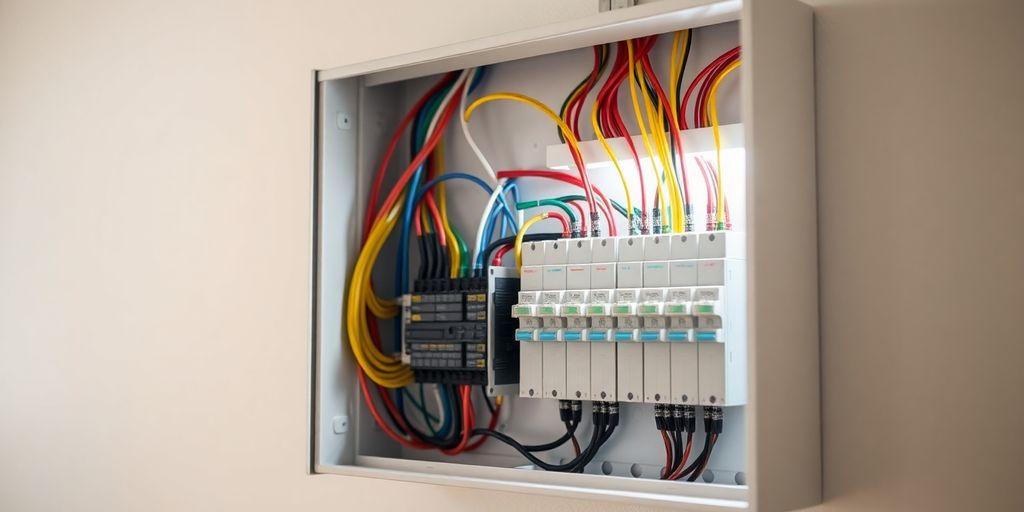
If you own a home in Florida, this question is more important than most people realize. Electrical panels are the heart of your home’s power system, and when they fail, the risks go beyond inconvenience. So, how often should you replace your electrical panel? In most cases, a properly installed panel lasts between 25 and 40 years. However, climate, electrical load, brand quality, and maintenance history can shorten that lifespan significantly.
At SiestaKeyElectric.com, we regularly inspect homes throughout Siesta Key and Sarasota County where panels are outdated, overloaded, or no longer compliant with modern electrical codes. Many homeowners are surprised to learn their panel is operating beyond its safe service life. Electrical Panel Replacement in Sarasota is often necessary to ensure your home meets current safety standards. Understanding when replacement is required can protect your property, your family, and your investment.
In this guide, we’ll break down lifespan expectations, warning signs, cost factors, and when replacement becomes essential.
What Is an Electrical Panel and Why Is It Important?
An electrical panel, also called a breaker box, distributes electricity from the utility company to different circuits in your home. Every outlet, appliance, and light fixture depends on it.
When the panel is outdated or overloaded:
- Breakers trip frequently
- Circuits overheat
- Fire risk increases
- Insurance coverage may be affected
Modern homes use far more electricity than homes built 30 years ago. EV chargers, high-efficiency HVAC systems, pool equipment, and smart home technology all add demand. An older 100-amp panel often cannot handle this safely.
How Long Does an Electrical Panel Last?
Most electrical panels last 25 to 40 years. However, lifespan varies depending on several factors.
Electrical Panel Lifespan Overview
| Factor | Impact on Lifespan | Notes |
| Age of panel | High | Panels over 30 years should be inspected |
| Humidity and salt air | Moderate to High | Coastal Florida accelerates corrosion |
| Electrical load | High | Added appliances strain older panels |
| Brand quality | Moderate | Some outdated brands have known safety issues |
| Maintenance history | Moderate | Regular inspections extend lifespan |
If your home was built before 1995 and the panel has never been upgraded, it’s wise to schedule an inspection.
How Often Should You Replace Your Electrical Panel?
Here’s the practical answer:
- Inspect after 20–25 years
- Strongly consider replacement at 30 years
- Replace immediately if safety issues are present
If you are upgrading your home, installing solar, adding an EV charger, or renovating, panel replacement may be necessary even if it’s under 25 years old.
In Florida’s coastal environment, corrosion is one of the biggest concerns. Salt air can damage breaker connections internally without obvious external signs.
Electrical Panel Lifespan by Age Group
Understanding panel lifespan becomes much clearer when you look at it visually. The risk of electrical failure increases steadily as your panel ages, especially in high-humidity environments like coastal Florida. While a panel under 20 years old typically performs reliably, the probability of corrosion, breaker fatigue, and overload issues rises sharply after 30 years.
This is why professional inspections become more critical as your system approaches the 25–30 year mark. The graphical representation below illustrates how performance reliability declines and replacement urgency increases over time.
Signs You Need to Replace Your Electrical Panel
Many homeowners wait too long because the warning signs seem minor. Here are clear indicators replacement may be necessary:
- Breakers trip frequently
- Lights flicker or dim
- Burning smell near panel
- Rust or corrosion inside the box
- Panel feels warm to the touch
- You still have a fuse box
- You are adding major appliances
- Insurance company flags your panel
Common Warning Signs vs. What They Mean
Symptom |
Possible Cause |
Action Needed |
| Frequent breaker trips | Overloaded circuits | Evaluation or upgrade |
| Burning odor | Internal arcing | Immediate inspection |
| Flickering lights | Loose connections | Diagnostic testing |
| Rust inside panel | Moisture intrusion | Likely replacement |
| Fuse box present | Outdated system | Full panel upgrade |
Ignoring these signs can increase fire risk and electrical failure.
Is It Dangerous to Keep an Old Electrical Panel?
Yes, it can be.
Older panels may not trip properly during overload conditions. When breakers fail to shut off power, wiring can overheat and potentially cause fires.
Insurance companies sometimes require panel upgrades before renewing coverage, especially if the panel is over 30 years old or from certain outdated manufacturers.
Electrical codes also evolve. A panel installed decades ago may not meet today’s safety standards.
How Electrical Panel Replacement Improves Safety, Efficiency, and Insurance Compliance
Replacing an outdated electrical panel does more than prevent breaker trips. It directly improves home safety, electrical efficiency, and even insurance approval. Modern panels are designed to handle higher electrical loads safely, distribute power more evenly, and trip breakers more accurately during overloads. This reduces fire risk and protects sensitive appliances from voltage fluctuations. In Florida homes, where HVAC systems, pool equipment, and storm-related surges are common, a newer panel provides stronger grounding and better surge compatibility. Our licensed professionals provide the best residential electrical panel replacement services, ensuring your Sarasota home stays safe, efficient, and code-compliant.
Another overlooked benefit is insurance compliance. Many insurance providers hesitate to cover homes with panels over 30 years old or outdated fuse systems. Upgrading your panel can make your property easier to insure and may prevent policy complications during inspections or renewals. It also prepares your home for future upgrades such as EV chargers, solar systems, or smart home automation without overloading existing circuits.
From a long-term perspective, replacing your panel is not just maintenance. It is an investment in electrical stability, code compliance, and property value. A properly sized modern panel ensures your home’s electrical system keeps up with today’s demands safely and efficiently.
Can You Upgrade Instead of Replacing?
Sometimes.
If your panel is structurally sound and relatively modern, you may be able to:
- Increase amperage capacity
- Add circuits
- Install subpanels
However, if the panel is outdated, corroded, or unsafe, replacement is the smarter long-term solution.
How Much Does It Cost to Replace an Electrical Panel?
Costs vary depending on:
- Amperage upgrade (100A to 200A)
- Permits and inspections
- Wiring updates
- Labor complexity
- Emergency service needs
Typical Cost Range in Florida
Service Type |
Estimated Range |
| Basic panel replacement | $1,500 – $3,000 |
| 200-amp upgrade | $2,000 – $4,500 |
| Full system upgrade with rewiring | $4,000+ |
Actual pricing depends on your home’s layout and electrical demands.
Electrical Panel Replacement Cost by Upgrade Type
Electrical panel replacement costs vary depending on amperage upgrades, wiring complexity, and permit requirements. A visual comparison makes it easier to understand how different upgrade types affect overall investment. The graph below highlights how pricing increases based on system capacity and installation scope.
Homes upgrading from 100-amp to 200-amp service typically see higher costs due to meter adjustments, grounding improvements, and code compliance upgrades. Viewing these ranges visually helps homeowners plan realistically and understand what factors influence final pricing.
When Should You Call a Licensed Electrician?
You should schedule an inspection if:
- Your panel is 25+ years old
- You’re remodeling
- You’re installing high-power appliances
- You’ve experienced storm damage
- You notice corrosion or rust
At SiestaKeyElectric.com, we perform detailed panel inspections to determine whether repair, upgrade, or replacement is the safest option. A professional evaluation can prevent costly emergencies.
When Is It Time to Replace Your Electrical Panel?
To summarize clearly:
- Under 20 years: usually safe with inspection
- 20–30 years: schedule professional evaluation
- 30+ years: strongly consider replacement
- Any safety issues: replace immediately
Waiting until failure is not a smart strategy. Preventive replacement reduces risk and improves efficiency.
Electrical Panel Replacement in Sarasota: Safety & Compliance
Understanding how often you should replace your electrical panel is not just about age. It’s about safety, capacity, and compliance with today’s electrical standards. In coastal environments like Siesta Key and Sarasota County, corrosion and humidity make regular inspections even more important.
If you’re unsure about your panel’s condition, the safest next step is a professional evaluation. SiestaKeyElectric.com provides licensed inspections, upgrades, and full panel replacements tailored to Florida homes.
Schedule Your Electrical Panel Inspection Today
Protect your home before small warning signs turn into major hazards. Contact our licensed electricians for a professional assessment and upfront estimate. Upgrading your panel now can improve safety, reliability, and long-term property value.
Upgrade Your Electrical Panel Today for Safer, More Reliable Power in Your Sarasota Home.
Schedule Your Professional Electrical Panel Replacement in Sarasota Now — Protect Your Family and Property!
Frequently Asked Questions
Q1. Can an electrical panel last 50 years?
Ans: Technically yes, but it is not recommended. Panels over 40 years old are typically outdated and may not meet modern safety standards.
Q2. Do I need a permit to replace my electrical panel in Florida?
Ans: Yes. Panel replacement requires permits and inspection to ensure code compliance.
Q3. How long does panel replacement take?
Ans: Most replacements are completed within one working day, though inspections and approvals may extend the timeline.
Q4. Will replacing my panel increase home value?
Ans: Yes. A new panel improves safety, insurability, and appeal to buyers.
Q5. Is replacing an electrical panel worth it?
Ans: Absolutely. It protects your home from fire hazards, supports modern appliances, and prevents costly electrical failures.